You train hard. But is your body responding the way you expect?
Regular exercise is one of the best things you can do for your long-term health. But high training loads, insufficient recovery and periods of low energy availability can sometimes affect your body in unexpected ways. At Vitary, we look beneath the surface to help you understand what your training is actually doing for your body.
Fit doesn't always mean optimized
If you exercise regularly, you're already doing something important for your health. Physical activity helps maintain muscle and physical function and is generally associated with lower levels of visceral fat.
However, running, cycling, swimming, strength training and impact exercise place very different demands on your body. As a result, being highly trained in one area doesn't necessarily mean that your muscle mass, visceral fat and bone health are all where you expect them to be. And when high training volumes are combined with insufficient recovery or nutrition, the balance between training and adaptation can shift.
Not all exercise builds bone
Bone responds to mechanical loading. That means the type of exercise you do matters, not simply how many hours you train.
Cycling is a striking example. It can produce exceptional cardiovascular fitness, but because it is largely non-weight-bearing, it provides relatively little impact loading to the skeleton.
In a Dutch study of 93 current and former elite cyclists, nearly half had scores associated with osteoporosis. Excellent fitness in one area doesn't guarantee that every part of your body receives the stimulus it needs.
Elite cyclists, Med Sci Sports Exerc 2023 (opens in a new tab)How you train matters
Regular exercise is generally associated with lower visceral fat. But being athletic doesn't make you immune to the changes in body composition that occur with age.
That doesn't mean exercise isn't working. Quite the opposite: staying active is one of the best ways to support healthy body composition. But it does mean that being active alone doesn't tell you how much visceral fat you carry today.
Some sports provide an even more striking example. In 116 professional rugby players undergoing intensive training and individualized nutrition, meaningful increases in visceral fat over a single season were seen in 54% of forwards and 38% of backs (J Clin Densitom 2021). These findings shouldn't be generalized to all athletes, but they show that high levels of physical activity don't necessarily prevent visceral fat from accumulating.
From a large UK dataset of athletes.
UK reference data, Int J Obes 2020 (opens in a new tab)When training demands more than your body has available
Your body needs energy not only to exercise, but also to recover and maintain normal physiological functions. When the energy you take in consistently fails to keep pace with the demands of your training, low energy availability can occur.
Short periods don't necessarily cause problems. But prolonged or severe low energy availability can impair normal physiological function in both women and men. The International Olympic Committee describes this as Relative Energy Deficiency in Sport (REDs) when it leads to adverse effects on health and performance, including effects on musculoskeletal health. This can be particularly relevant if you combine high training volumes with calorie restriction, weight-loss goals or a strong focus on staying lean.
A DEXA scan can identify unexpectedly low bone density or changes in body composition, providing useful information if your body isn't responding or recovering the way you expect.
A man running in a teal t-shirt.
- ExerciseTraining volume and intensity
- Daily activityMovement and an active lifestyle
- RecoveryRepair and adapt to training
- Normal functionsBrain, immune system, hormones and other essential processes
When you consistently take in less energy than your body needs, it can affect normal physiological functions.
- Reduced recoveryHarder to adapt and more fatigue
- Lower performanceLess energy and physical capacity
- Effects on bone healthLower bone density over time
- Loss of muscle massEspecially with prolonged low energy
- More visceral fatAltered hormonal signalling can promote fat storage around organs
Visceral fat can increase even while your weight stays stable.
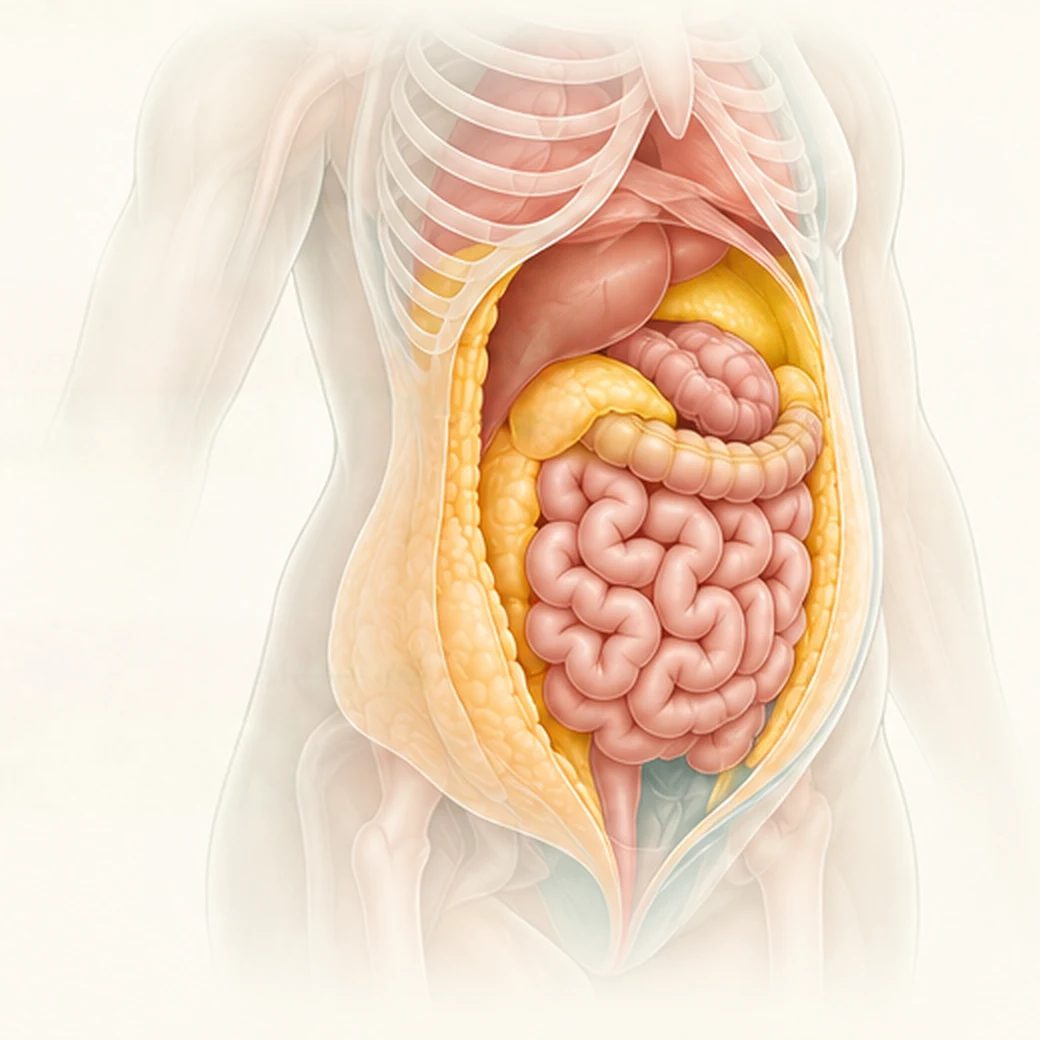 Visceral fat
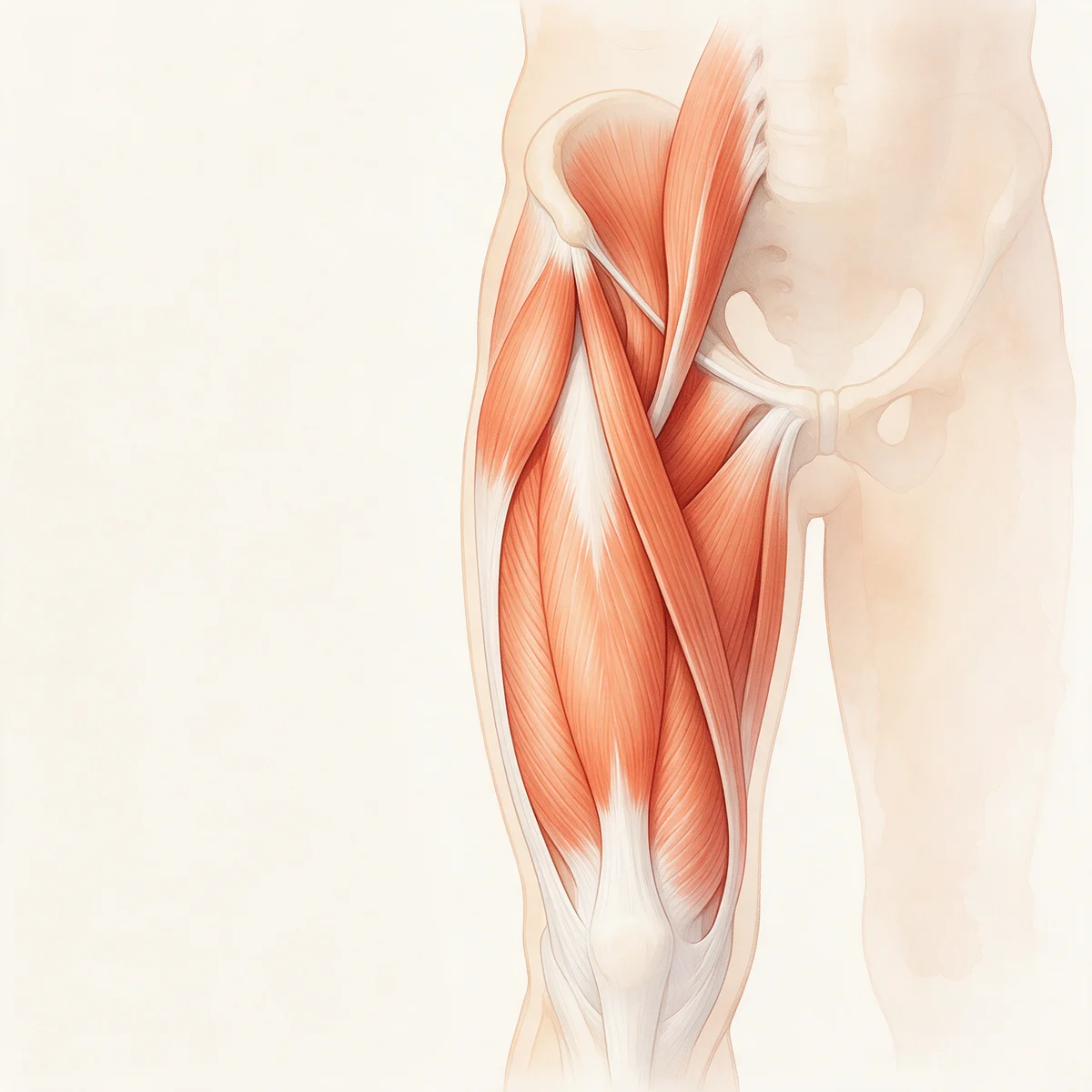 Muscle massSee if you're maintaining muscle, even when performance feels off.
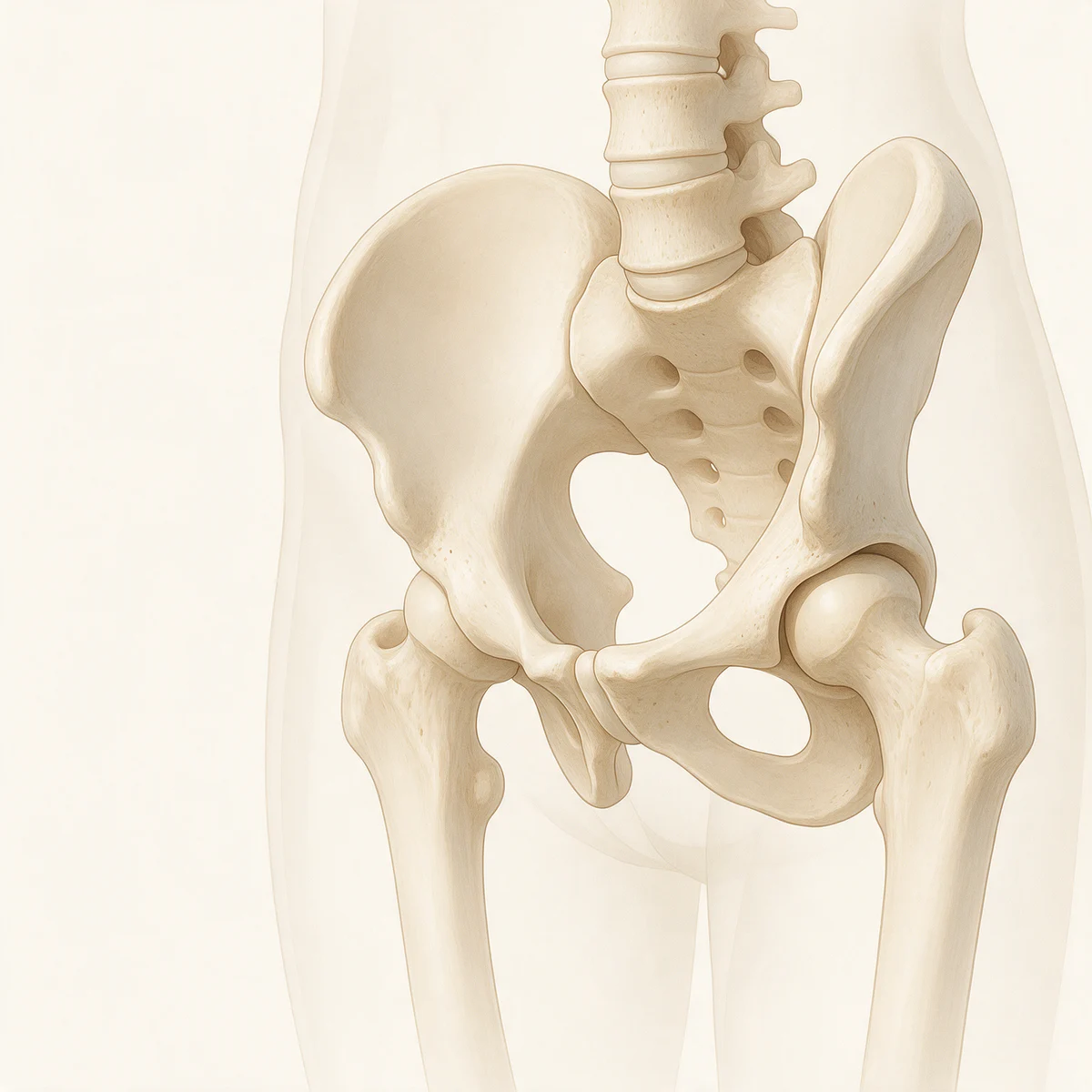 Bone densityIdentify unexpectedly low bone density early.
- Visceral fatDetect changes in fat distribution that aren't visible on a scale.
See what your training is building
Your performance tells you what your body can do. Your measurements tell you something different. We use DEXA to measure visceral fat and body composition, alongside lean mass and bone mineral density, and combine this with grip strength to assess muscle function.
Fat stored deep around your internal organs. Excess visceral fat is an early warning sign that your body is becoming less effective in metabolism including regulating blood sugar, fats, cholesterol and energy, increasing the risk of metabolic syndrome, which occurs in at least 1 out of 4 individuals with normal weight.
More on visceral fatMuscle helps you stay strong, active and physically capable as you age. It also plays an important role in regulating blood sugar. Muscle strength can decline by around 14 to 16% per decade from midlife onwards. Maintaining muscle and strength preserves your ability to move, travel and live independently. Both are strongly associated with better long-term health and longevity.
More on muscle massBone mineral density reflects the strength of your bones. Strong bones help you stay active and independent as you age, while lower bone density increases the risk of fractures. Because bone loss usually happens without symptoms, a fracture may be the first sign of declining bone health. About half of adults aged 50 and older have poor bone health.
More on bone densityWhat it doesn't do
A DEXA scan does not diagnose REDs, and it does not measure your hormones, your diet or your training load. It shows what your body is made of and how it is distributed, at one moment. What that means for your training is the conversation afterwards.
Is the radiation safe?
A DEXA scan uses a very low dose of X-ray radiation, typically comparable to just a few hours of natural background radiation. Every request is reviewed by a licensed physician before the scan.
Can I have a DEXA scan when I am pregnant?
No. We do not perform DEXA scans during pregnancy, even though the radiation dose is very low. Our screening questionnaire checks this before an appointment can be booked.
Do I need an injection or contrast agent?
No. A DEXA scan is completely non-invasive and painless. There are no injections, needles or contrast agents involved. You simply lie still on the open scanning table for a few minutes while the scanner passes above your body.
Can anyone have a DEXA scan?
Not everyone should undergo a DEXA scan. Before you book we ask a few screening questions, and a licensed physician reviews your request to make sure the scan is appropriate for you. If anything needs clarification, we contact you before confirming your appointment.
Why do I need a medical indication for a DEXA scan?
DEXA uses a very low dose of X-ray radiation and is therefore subject to medical radiation regulations. This means we don't perform scans simply because someone would like to know their body composition. There needs to be an appropriate medical indication.
At Vitary, this may include overweight or signs that suggest you could carry more visceral fat than expected, have lost significant lean body mass, or have low bone mineral density, even if your BMI is within the normal range. Relevant factors can include changes around your waist, persistent fatigue, poor recovery or sleep, reduced exercise tolerance, strong food cravings, menopause, chronic stress or metabolic markers such as elevated blood pressure, glucose or cholesterol.
Before you book, you will complete a short health questionnaire. A BIG-registered physician reviews your answers and determines whether a DEXA scan is appropriate for you.
If there is no medical indication, we won't perform the scan.
Do you provide medical diagnoses or treatment?
No. Vitary does not diagnose medical conditions or provide medical treatment.
We use your measurements together with information about your lifestyle, goals and health to create a personalized action plan. We help you understand your results, identify the areas where change is likely to have the greatest impact, and translate the scientific evidence into practical options that fit your life.
Our lifestyle recommendations focus on areas such as nutrition, exercise, stress management, sleep and recovery. They are intended to support your health and wellbeing, not to replace medical diagnosis or treatment.
If a result requires medical assessment, diagnosis or treatment, we will advise you to discuss it with your GP or another qualified healthcare professional. Where specialist lifestyle support is useful, we may recommend working with an appropriate professional, such as a dietitian, physiotherapist or personal trainer.
How is a DEXA scan different from an MRI?
They are designed to answer very different questions. A whole-body MRI creates detailed images of organs and tissues and may identify structural abnormalities that need further medical investigation. A Vitary DEXA scan is not a diagnostic scan and is not used to screen for cancer or other diseases: it measures your body composition and bone health (fat mass, visceral fat, lean mass and bone mineral density). The goal is not to look for hidden disease, but to understand where you stand today on these specific parameters and which aspects of your health you can work on.
Can a DEXA scan detect cancer or other diseases?
No. A body-composition DEXA scan is not a cancer screening or whole-body diagnostic scan. It measures body composition and bone mineral density. It is not designed to look for tumours or abnormalities in your organs.
Why not just use a scale or a smart body-fat monitor?
A scale gives you one number for your whole body, and that number cannot tell you whether you lost fat or muscle or have low bone mineral density. A bio-impedance monitor, the kind in a smart scale, sends a small current through you and estimates the split from how easily it passes. This estimate shifts with how much you have drunk, eaten or trained that day. A DEXA measures the tissues separately and by region, so it can say where fat sits rather than only how much there is.
How accurate is DEXA?
DEXA is considered one of the most accurate and clinically well-established methods for measuring body composition and bone mineral density. It can pick up relatively small changes in fat and lean mass, which makes it particularly useful for tracking change over time. For follow-up scans we recommend measuring under similar conditions wherever possible.
What type of DEXA scanner do you use?
We use a Hologic Horizon A, a clinical-grade DEXA system used in hospitals, clinics and research centres around the world.
It uses very low-dose X-rays to measure body composition and bone mineral density. For body composition, it allows us to distinguish fat mass from lean mass and estimate visceral fat stored around the organs in your abdomen.
The scan itself takes only a few minutes and is completely non-invasive: no injections, contrast agents or enclosed scanner.
How do I get to Vitary?
Vitary is located at Bos en Lommerplantsoen 3F in Amsterdam and is easy to reach by car, bicycle and public transport; several tram and bus stops are within walking distance. Coming by car, there is parking at Parking Bos en Lommerplantsoen directly behind the building. Enter through the barrier and pay at the barrier when you leave.
How should I prepare for my scan?
No special preparation is required. Try to arrive normally hydrated and avoid a very large meal or strenuous exercise shortly beforehand. For follow-up measurements, keeping the conditions similar between scans makes the comparison as meaningful as possible.
What should I wear?
For an accurate measurement, the scan is performed in your underwear. Please make sure there is no metal, such as an underwired bra or jewellery, in the area being scanned. So wear underwear without metal, and remove jewellery and piercings before the scan.
How long does the appointment take?
Your appointment takes approximately 45 minutes. The DEXA scan itself takes only a few minutes; most of your visit is spent going through your results and translating them into practical, personal next steps.
When will I receive my results?
You see and discuss your results during the same appointment. We explain what the measurements mean for you and translate them into personal next steps, and you receive your DEXA report to take home.
Is it covered by insurance?
Vitary's DEXA assessment is a self-pay preventive health service and, to our knowledge, is not currently reimbursed by Dutch health insurers. The price includes your DEXA scan, the physician review, your results and personal guidance.
Who performs the scan?
Your scan is performed by a trained member of the Vitary team. A licensed physician reviews and approves your request beforehand and provides the required medical oversight.
We interpret your results in the context of your age, training, nutrition, lifestyle and goals. Depending on what we find, that might mean maintaining exactly what you're doing, adding resistance or impact exercise, adjusting the balance of your training, or paying more attention to nutrition and recovery.
- Launch offer €199, until 31 December, then €299.all-in